WHY I’M HERE: THE MEAL THAT MATTERS MOST
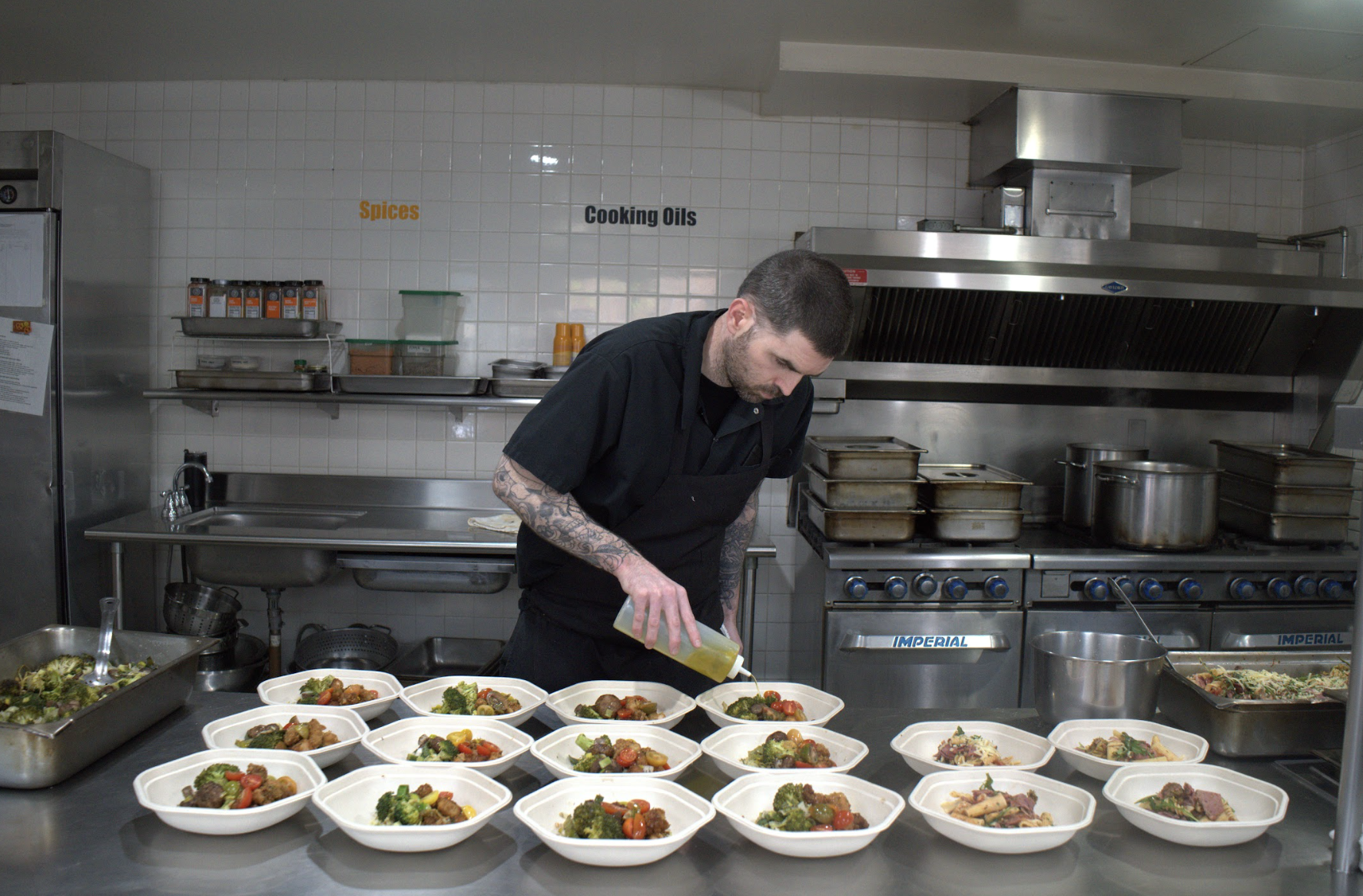
The decision to work for a nonprofit serving those in need was not sudden. It was a long journey.
When I started in the culinary industry, the only things that mattered were Michelin stars and the awards a chef or restaurant had earned. That was the measure of success. That was the goal.
I committed everything to my craft. I missed birthdays and weddings. I lost friendships. I ruined relationships. I had no life outside the kitchen and my bed. The rhythm of service became my routine. The pursuit of precision became my identity. Honing my craft was my life, nothing else mattered.
Mistake after mistake, I improved. The world outside faded away. With every new station, every new restaurant, every new chef and crew, I got better. Eventually, I found the confidence to become what I had been chasing for years. I worked in Michelin-starred environments, James Beard-recognized restaurants, great hotels, and massive operations. I had control of menus, R&D, budgets, and everything I thought defined success.
And then it stopped. A brain cancer diagnosis.
After almost exactly two years of surgeries, hospitalizations, chemotherapy, radiation, and the ever-rotating cast of doctors and tests, this phase of my brain cancer treatment finally came to an end.
During that time, everything else in my life had stopped. I lived in a bubble, watching the world move on without me. From hospital beds and the quiet of my home, I watched friends in the hospitality industry struggle through layoffs and closures during the COVID-19 pandemic. I watched communities and families endure lockdowns and uncertainty. I watched friends and colleagues lose restaurants, places they had poured their blood, sweat, and tears into, dreams they had spent their entire lives building.
The industry changed.
And so did I.
Somewhere along the way, I knew that whatever time I had, I wanted it to matter. I wanted to make a difference. I wanted to be of service. But knowing that and knowing how are very different things.
I searched for the right path and couldn’t find it. I knew the kind of work I wanted to do, but I didn’t know where I fit or what shape that purpose would take. Eventually, I drifted back into the industry I had worked in since high school. It was familiar. Practical. Safe.
The night before I was meant to sign a contract with another hotel group, something stopped me. I decided to look one last time - not for the job that paid the bills, but for the work that meant something.
When I began searching again, I knew something in me had changed. I wasn’t just looking for a position. I was looking for purpose. I wanted whatever time I had to matter. I wanted to make a difference in the city I love so much - the city where both my parents grew up, went to school, and fell in love.
The city where my story began.
The city where I was born.
I searched in Hollywood, where my dad grew up and went to high school. And there, in a job listing, a small paragraph caught my attention. It mentioned the book Bread Is Gold. It described an organization built on the philosophy of rescued food - preventing waste, honoring ingredients, and transforming whatever they had into hot meals for people in need.
It wasn’t written like a typical job description. It read more like a belief system. A way of seeing food not as product, but as possibility. Not as surplus, but as responsibility.
I knew nothing about the organization.
But something in me recognized it immediately.
This wasn’t just a job.
This was alignment.
I knew nothing about the organization.
But I knew immediately, “this is where I want to be”.
“This is where I can be useful.”
The reason I’m here, not working somewhere else, not chasing another star, not standing on another line, is because I believe I can make a difference here. We can share ideas here. We can build something better here. I didn’t want to spend my time chasing perfection on another plate. I wanted my work to matter in a different way.
When I first stepped into the kitchen at Hollywood Food Coalition, I felt completely out of place.
I showed up in my chef whites, with my gear and my knife roll. I was prepared for structure, hierarchy, order. Instead, it looked like complete chaos. No designated stations. No tickets. Music blasting. No clear command. For the first time in years, I felt like the FNG, the new guy and I hadn’t felt that in a very long time. I was lost in the noise and movement.
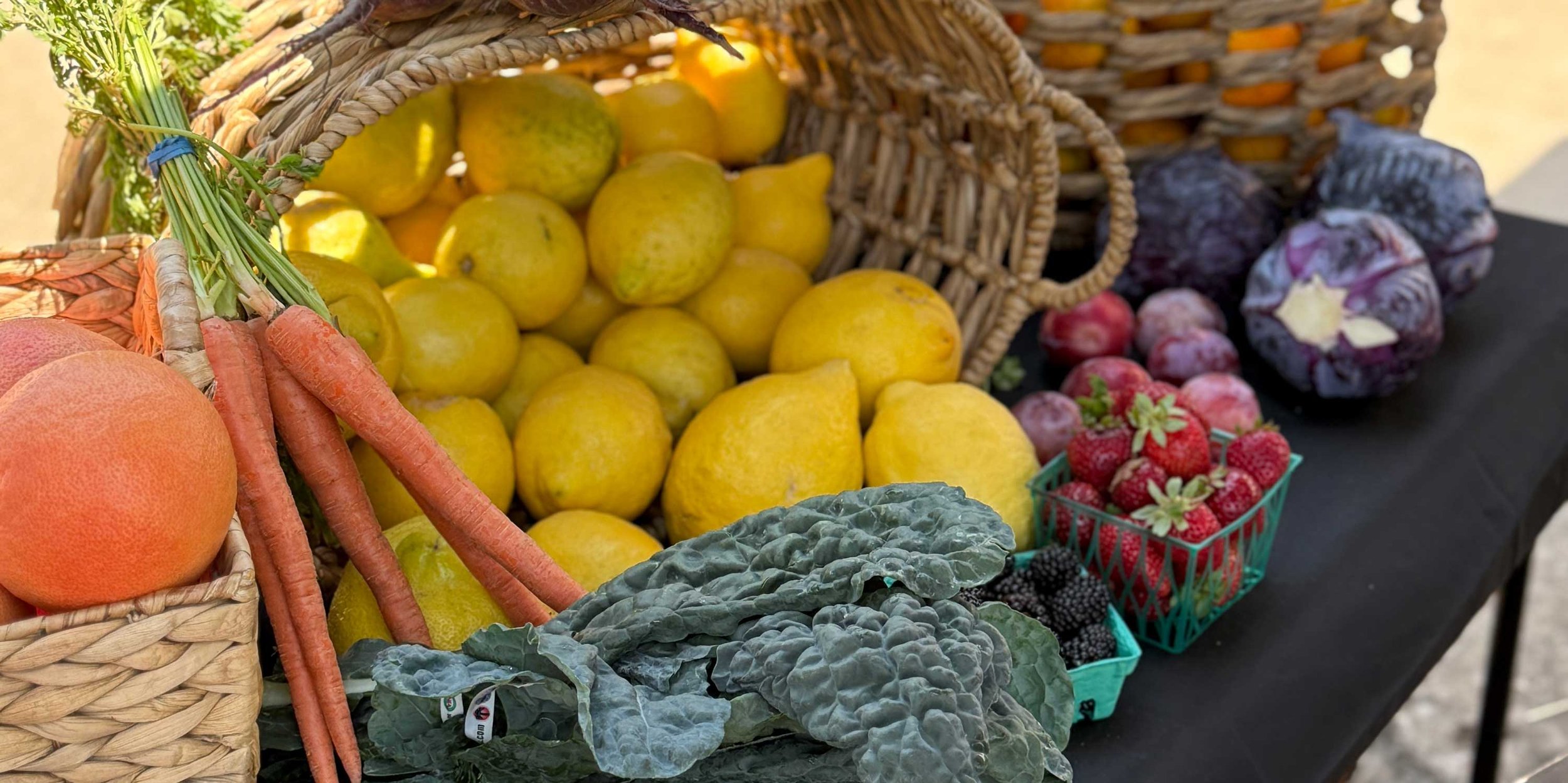
From that moment on, I understood that this kitchen didn’t run on control - it ran on trust. Trust in instinct. Trust in creativity. Trust that whatever arrived that day - dented boxes, bruised produce, day-old bread, surplus trays, mystery donations - could be transformed into something meaningful.
There were no guarantees here. No standing orders. No perfectly costed menus planned weeks in advance. Just ingredients that needed a second chance and people who needed a meal.
I had spent my career learning how to execute precision. Here, I had to learn how to listen - to the food, to the moment, to the need in front of me.
Cooking without certainty was uncomfortable at first. It stripped away the safety nets I didn’t even realize I depended on. No reaching for exactly what I wanted. No replacing what ran out. No perfectionism disguised as professionalism. Instead, there was adaptation. Improvisation. Humility.
And something else I hadn’t expected - freedom.
Freedom from the idea that food had to be flawless to matter.
Freedom from waste.
Freedom from ego.
Every day became an act of problem-solving and care. What can we make from what we have? How do we stretch this so everyone eats? How do we make something nourishing, dignified, and delicious from what others overlooked or discarded?
It changed the way I saw ingredients.
It changed the way I saw cooking.
It changed the way I saw service.
In fine dining, we chase perfection for the guest who chose to be there. Here, we cooked with urgency and intention for people who needed to be there. The stakes felt different. Heavier. More human.
And slowly, without realizing it, I was changing too.
The discipline that carried me through treatment - endurance, resilience, adaptation - found a new home in this kitchen. Survival had taught me how to keep going when things were uncertain. This work taught me how to turn uncertainty into purpose.
I hadn’t just found a job.
I had found alignment.
A place where resourcefulness was valued more than control.
Where service meant showing up fully, not just executing perfectly.
Where nourishment was measured not only in flavor, but in dignity.
For two years, my life had been about staying alive.
Now, it was about helping others live - one meal at a time.
And for the first time since everything had stopped…
I was moving forward again.
Then Blaire shouted at me:
“You! I need a sauce for the chicken on the fly! We’re almost out of cabbage! Be useful, you look so uptight!”
My brain snapped into gear like it always had. I set down my knife roll and started building a station. Over the music, someone yelled, “Hurry, we don’t have time!”
Relief washed over me. Familiar pressure. Familiar urgency. I was home. I knew what to do. I have been here before.
Then I went to the pantry to grab ingredients and vegetables.
There was nothing.
Nothing at all.
My head started spinning. I didn’t want to ask for help. I knew how that usually went. But I tried anyway.
“Excuse me, Chef ”
Before I could finish, she cut me off.
“I’m not the chef. I’m just a volunteer. And that’s beside the point, you still don’t have a sauce. And what about the vegetables?”
And that was the moment I knew.
I was exactly where I needed to be.
Hollywood Food Coalition was the beautiful chaos I had been searching for, whether I knew it or not.
And I love what I do now.
I work with a ragtag crew, incredible volunteers, and dedicated board members and directors. Executives that I can actually engage with beyond P&L statements and budget presentations. We talk about people. We talk about impact. We talk about what matters.
I get to engage with our guests, really engage. I get to know their stories, their struggles, their preferences, their humor, and their honesty. Even though the food is free and no checks are dropped at the table, they are just as critical of my menu and cooking as any food critic I’ve ever faced. They tell me when my techniques are weak. And they are deeply grateful when they enjoy the food.
There is no longer pressure for awards or accolades.
But the chef inside me never left.
That voice still says I can do better. Work faster. Work harder. Work cleaner. It still tells me I’m not good enough, and it still pushes me forward. It always will.
Because we can always do better.
Our guests deserve the best we can offer, even with limited resources and rescued ingredients. They deserve care, intention, and pride in every meal we serve.
They deserve the best.
Because a person in need of a hot meal deserves that just as much, if not more, than someone sitting down for a three-Michelin-star dinner.
And that is why I’m here.
Even when it feels, at times, like I’m screaming into the void.