
"I Don't Want To Think about Survival in Los Angeles Without Hollywood Food Coalition"
By HoFoCo Guest
"I don't want to think about survival in Los Angeles without Hollywood Food Coalition"
So said Zahlia, one of the hundreds of poor, struggling and homeless Angelenos who daily depend on the Hollywood Food Coalition's life-sustaining dinners.
Although they fill primary human needs, the dinners are just one component of the Coalition's services offered free of charge to all who arrive at its 5939 Hollywood Boulevard site. Every week, on Wednesday evening, Zahila and an escalating number of others queue up and connect to a wide variety of other kinds of assistance designed to help them navigate this city's rocky financial terrain.
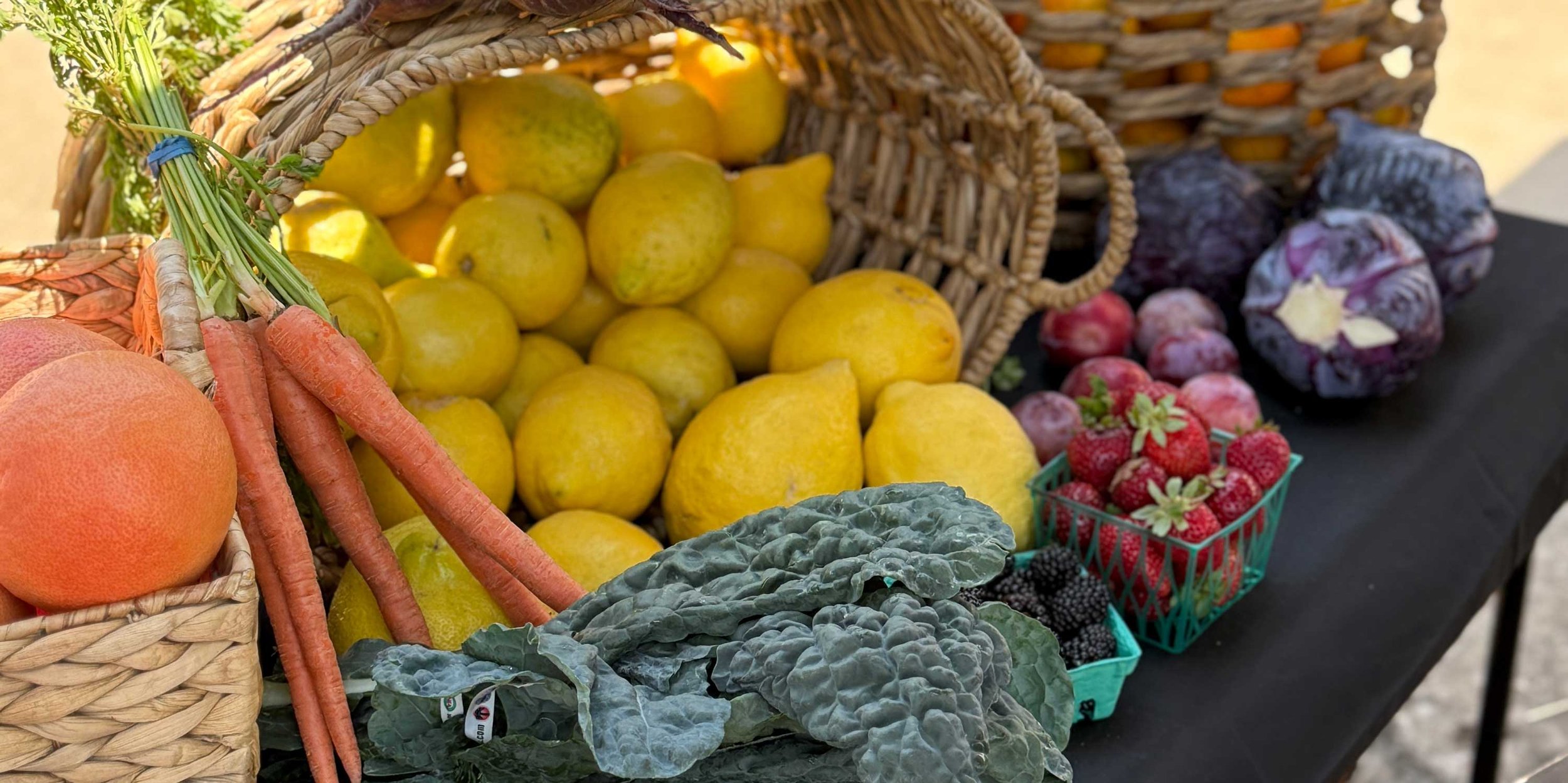
All recipients know--or hear from others in need--that neither driving rain, bitter cold, nor blustery winds deter the indefatigable cadre of volunteers who serve the dinners from Monday to Friday from 6:30 p.m. to 7:30 pm. The dinners usually center around a choice of fish, chicken, or vegan entrees. Water always accompanies the dinners. Fruit juices and milk, often donated by one or more of the Coalition's 500 partners, are served as well, along with fresh fruit, salads and/or pastries.
Zahlia, a youthful, trim 43-year-old, is Trans, black, "Scientific" Jewish and homeless. For two years, Zahlia, multi-skilled and talented in several dimensions, has lived, unhoused, somewhere in this city.
“Trying to live without HoFoCo's dinners and other benefits, she said, would "cause major panic attacks that would add another layer of stress to her clinical depression."
During our chat in the Hollywood branch of the Los Angeles Public Library, she Googled "clinical depression," also known as "major depressive disorder."
"Clinical Depression," according to the description she found, "is a major mental disorder that can cause a persistent feeling of sadness and loss of interest in activities. It also affects how one thinks, feels and behaves. The disorder can also lead to a variety of physical and emotional problems."
For Zahila, HoFoCo's dinners and key, life-sustaining services ward off these attacks and, along with medication, help to keep her on an even keel. "I honestly rely on the Coalition and many of us (the homeless), do,” she said.
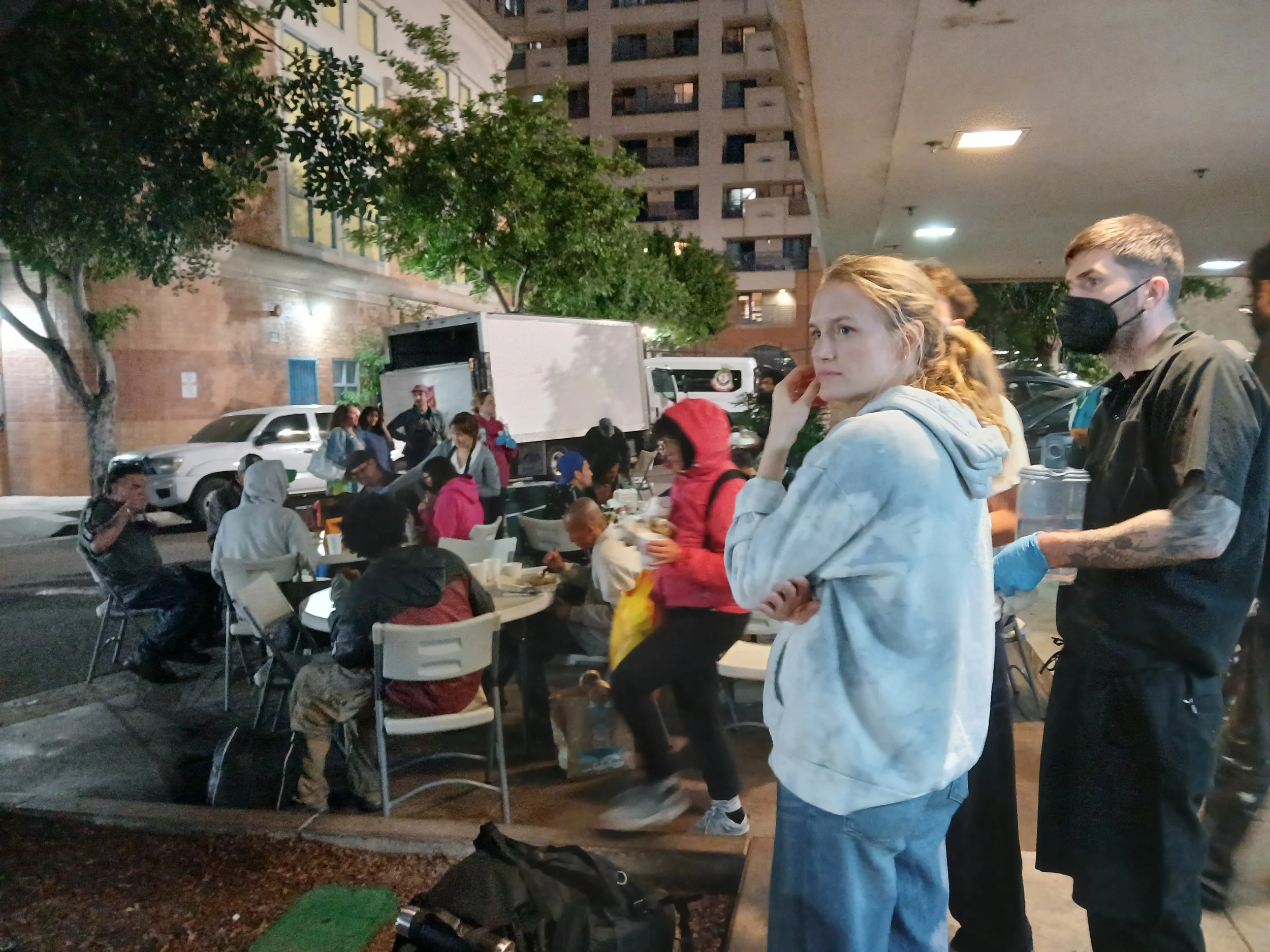
"Every day, she continued, "I look forward to these dinners and feel so much better afterward because they contain the nutrients I need and are always full of protein."
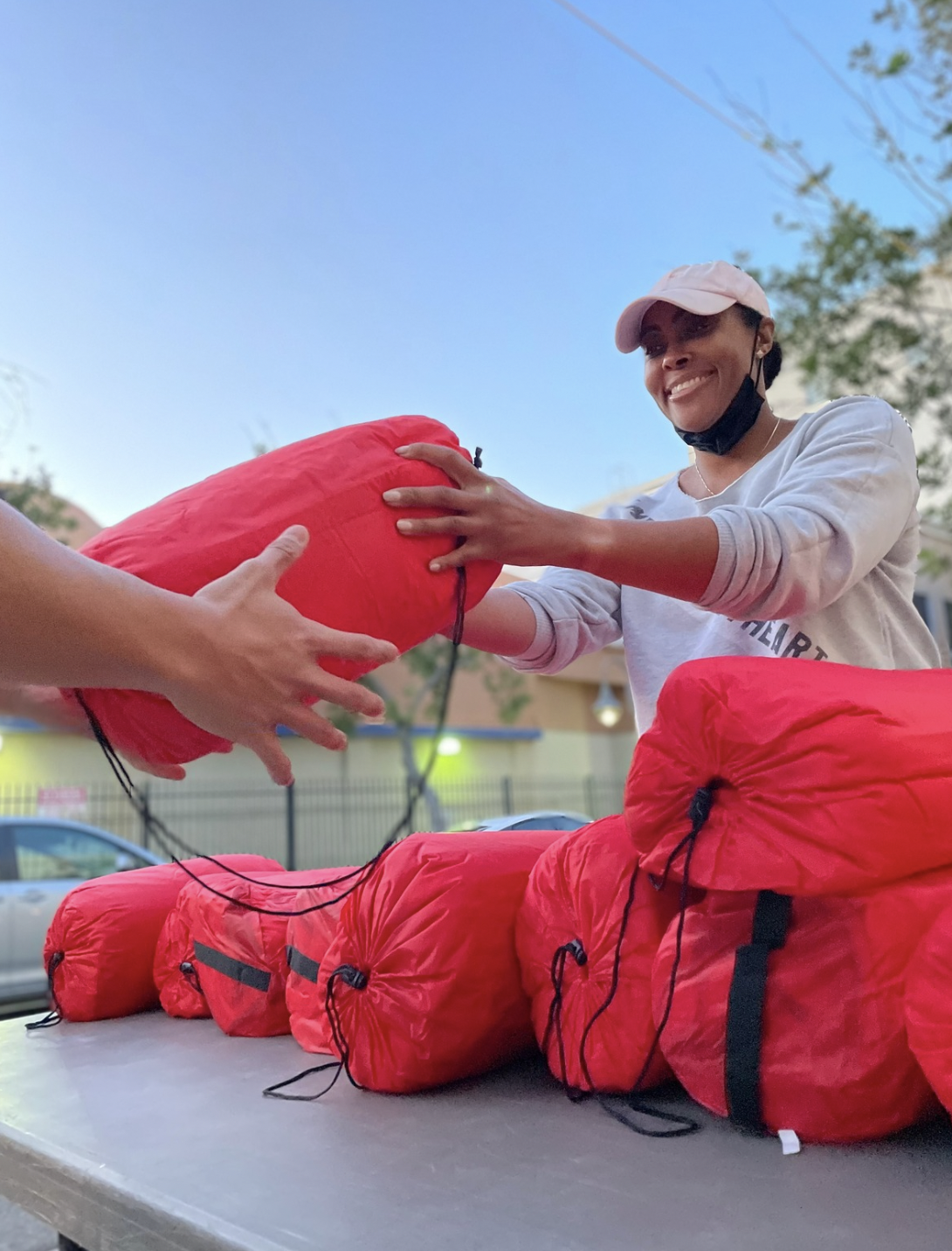
HoFoCo also provides new and lightly used clothing, shoes, hygiene kits and other essential items to lift the quality of life for the least, the lost and the forgotten.
"The Coalition helps immensely with transportation and clothing. Every Wednesday, I can rely on getting bus passes and, possibly, very good, almost new, clothing. There is always some sort of clothing to grab, even on the other days of the week."
Although she is deeply grateful for the dinners, bus passes, and clothing, "I want to mention my (appreciation) for the huge ticket cleared for me by the Homeless Peoples Court. Their lawyers come every week to provide free legal assistance and referrals."
Zahlia craves full-time employment but is not able to work. A small group of adults who are employed, but lack wages that would support the area's exorbitant housing costs, also depend on HoFoCo's dinners and resources, almost as much as Zahlia
Like Zahlia, they are neat and clean in appearance and thus defy the common, shop-worn tropes employed to justify thwarting the upward progression and mobility of the poor and struggling.
Zahlia, though unable to work, looks forward to one day having the ability to do so. Meanwhile, she is also grateful for HoFoCo's social environment, in which staff make no obtrusive judgments about clients, based on race and/or sexual preferences.